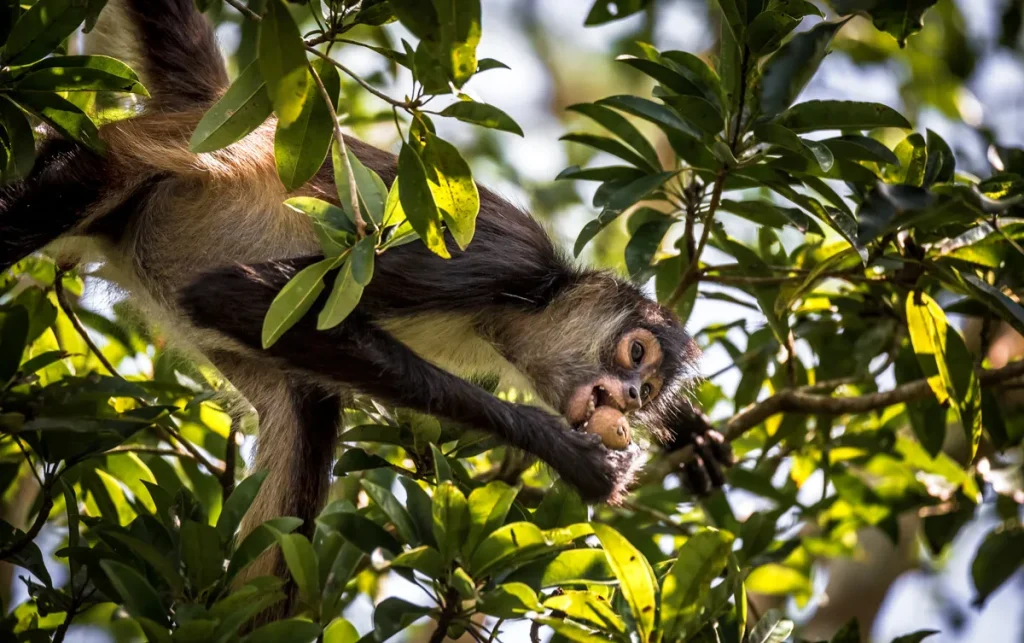

Spider monkeys are unique primates that thrive in the lush canopies of tropical forests. Their natural habitat spans across Central and South America, where they adapt to various ecosystems and rely on dense tree cover for food and safety. These monkeys play a vital role in their environment, particularly in seed dispersal. Understanding their habitat is essential for conservation efforts, as threats like deforestation and illegal wildlife trade continue to impact their populations.
Spider Monkeys: Fascinating Inhabitants of the Canopy
Renowned for their agility and social behavior, spider monkeys play a vital role in their ecosystems. These enchanting creatures are truly fascinating inhabitants of the rainforest canopy.
Physical Characteristics of Spider Monkeys
Spider monkeys possess distinct physical traits that enhance their ability to navigate the high branches of their forest homes. Their bodies are characterized by long limbs and prehensile tails, which function as an extra limb, allowing them to maintain balance and grip trees effectively. Adult spider monkeys typically weigh around six kilograms, exhibiting a height that ranges between 35 to 66 centimeters without including their tails, which can be as long as 88 centimeters.
Their physical adaptations are not purely functional; the monkeys also showcase a variety of colors and patterns in their fur, ranging from black and brown to golden hues. This diversity offers them additional camouflage against predator attacks in the dense forests.
Behavior and Social Structure
Spider monkeys are primarily social animals, living in troops that vary in size, often consisting of between 20 to 100 individuals. These expansive groups exhibit complex social dynamics, with various hierarchies and bonds formed through grooming and vocal communications. Their social structure is vital for cooperative behavior, which enables their survival in challenging environments.
Communication and Social Bonds
Communication plays a crucial role in maintaining the fabric of spider monkey society. They utilize a wide array of vocalizations, ranging from calls that signal food sources to those that alert others of potential dangers. Facial expressions and body postures further enhance their interactions, helping to convey emotions and intentions.
The bonds between members of the troop are fostered through grooming practices, which serve to build alliances and reduce tension. This behavior strengthens their social ties, creating a supportive network crucial for the group’s stability and well-being.
Reproduction and Maternal Care
In terms of reproduction, spider monkeys exhibit a polygamous mating system. Females usually give birth to one offspring after a gestation period lasting around seven months. Maternal care is significant, as mothers are deeply involved in nurturing their young, providing physical protection and teaching them essential survival skills. Following birth, infants cling to their mothers’ backs, remaining dependent on their care for several months before gradually becoming more independent.
The early life stages play a pivotal role in shaping the behavioral patterns and social interactions of juvenile spider monkeys, laying the groundwork for their future integration into the troop.
Diverse Habitats of Spider Monkeys
Spider monkeys inhabit a variety of ecosystems that provide essential resources for their survival. Understanding these habitats is critical for their conservation and the maintenance of biodiversity in the regions they occupy.
You may be interested in reading "Conservation Spider Monkeys: Protecting Our Primate Friends"
Forests of Central and South America
The primary habitats of spider monkeys are the lush, tropical forests found in Central and South America. Stretching from the tropical rainforests in the Amazon Basin to the more temperate regions in Central America, these forests host diverse flora and fauna.
These forests are characterized by:
- Rich biodiversity, including numerous tree species that provide both food and shelter.
- A multilayered canopy that offers extensive areas for movement, allowing spider monkeys to navigate from branch to branch with ease.
- A humid climate that supports the growth of various fruits, leaves, and flowers, integral to their diet.
Spider monkeys typically prefer dense woodlands over open areas. This preference helps them avoid predators while ensuring they have access to the resources needed for their daily activities.
Adaptability to Different Ecosystems
One remarkable aspect of spider monkeys is their ability to adapt to various forest types. While they thrive in lush rainforests, they can also be found in semi-deciduous forests and mangrove swamps.
Their adaptability includes:
- Utilizing different food sources based on seasonal availability, allowing them to thrive even in changing environments.
- Inhabiting semi-deciduous forests, where they adjust their foraging strategies during dry seasons when food becomes scarce.
- Exploiting mangroves, where they can find a range of fruits and leaves not typically available in more traditional forest settings.
This versatility in habitat utilization not only enhances their survival chances but also allows them to play a crucial role in various ecosystems as seed dispersers and key participants in forest dynamics.
The Biological Role of Spider Monkeys
Spider monkeys play an essential part in their ecosystems. They are highly specialized in their dietary habits and ecological interactions, which contribute significantly to the health of their habitats.
Importance in Seed Dispersal
One of the most crucial roles of spider monkeys in their tropical environments is seed dispersal. Their primarily frugivorous diet means they consume a variety of fruits, which are often rich in nutrients. As spider monkeys eat these fruits, they inadvertently carry seeds away from the parent plant.
When these seeds are excreted, they often land in fertile soil, allowing for new plants to grow in different locations. This process is vital for maintaining biodiversity within their habitat.
Through their activities, spider monkeys help promote genetic diversity in plant species, ensuring healthier ecosystems. This is especially significant in the dense forests where they reside, where various trees and plants rely on these primates for propagation.
Diet: What Do Spider Monkeys Eat?
Spider monkeys have a diverse diet that focuses heavily on fruits. However, their eating habits showcase remarkable adaptability, allowing them to thrive in varying environmental conditions.
Predominantly Frugivorous Diet
The primary component of a spider monkey’s diet consists of fruits. They prefer juicy fruits that are high in sugar, which provide the energy needed for their active lifestyle. This preference for fruit helps them play a vital role as seed dispersers, crucial for forest regeneration.
Fruits are not only a source of energy but also important for maintaining their health. Different species of spider monkeys have varying fruit preferences, which can lead to differences in their ecological impact based on the types of plants they favor.
Variations in Food Sources
While fruit is predominant in their diet, spider monkeys exhibit remarkable dietary flexibility, especially during seasons when fruit is scarce. They may supplement their diet with:
- Leaves and flowers
- Seeds and nuts
- Insects or small animals
- Miel (honey)
This dietary variation is essential for their survival during periods of food scarcity. However, it may also lead them to compete with human activities, as they might raid crops or foraging areas in search of food.
Understanding the biological role that spider monkeys play provides valuable insights into the health and vitality of their ecosystems. Their capacity for seed dispersal and dietary adaptability underscores their importance in tropical forest environments.
Threats and Conservation Efforts
Spider monkeys face numerous threats that jeopardize their survival. Conservation efforts are critical to mitigate these risks and help preserve their populations and habitats.
Habitat Loss and Fragmentation
The degradation of natural habitats poses a significant risk to spider monkeys. As forests are cleared or fragmented, the resources they rely on become scarce.
Impact of Deforestation
Deforestation driven by agriculture, logging, and urban development has drastically reduced the extent of spider monkey habitats. Trees are cut down to create space for crops or to harvest timber, interrupting the ecosystem that supports these primates. The loss of canopy cover affects not only their living space but also their food sources. Without sufficient trees, spider monkeys struggle to find adequate sustenance.
Effects of Slash-and-Burn Agriculture
Slash-and-burn practices further exacerbate habitat destruction. Farmers clear land by cutting trees and burning vegetation, leading to temporary agricultural success but long-term environmental damage. This method often results in forest conversion that cannot support spider monkeys and other wildlife, compelling them to move to neighboring areas that may be equally threatened.
The Illegal Pet Trade: Challenges for Their Survival
Illegally capturing spider monkeys to sell as exotic pets is another pressing issue. This trade not only diminishes wild populations but also disrupts social structures within their troops. Monkeys removed from their families can suffer from stress and trauma, affecting their ability to integrate back into the wild if they are repatriated. The pet trade poses a dual threat: it reduces population numbers and creates a demand that fuels further illegal activities.
Conservation Initiatives and Success Stories
Various conservation initiatives aim to secure the survival of spider monkeys and their habitats. Efforts focus on habitat protection, community engagement, and legislative reforms to combat illegal activities.
Protecting Their Natural Habitats
Establishing protected areas allows for the preservation of critical habitats for spider monkeys. These regions provide safe spaces where they can thrive without the pressures of human encroachment. Conservation organizations work to create and enforce protected zones, ensuring that the habitats necessary for the survival of spider monkeys remain intact.
Community Involvement in Conservation
Engaging local communities in conservation efforts has proven effective. Through education and sustainable practices, communities can learn about the importance of preserving spider monkeys. Involving citizens in conservation programs fosters a sense of ownership and responsibility, creating allies in the fight against habitat destruction and illegal trading.
You may be interested in reading "Spider Monkeys Yucatan: Guardians of the Jungle"
Discovering the remarkable world of spider monkeys presents an extraordinary opportunity for nature lovers and eco-tourists alike. Working with Eco Mayan Adventures, visitors can immerse themselves in this vibrant ecosystem while actively participating in conservation efforts.
Discovering Spider Monkeys with Eco Mayan Adventures
Ecotourism Experiences in Yucatán
Eco Mayan Adventures offers unique ecotourism experiences designed to explore the diverse habitats of spider monkeys in Yucatán. Tour itineraries often include guided treks through lush jungles, where guests can witness these agile primates in their natural environment. As part of the journey, visitors will have the chance to:
- Learn about the ecological importance of spider monkeys.
- Observe their social behaviors and interactions.
- Engage in activities aimed at habitat preservation.
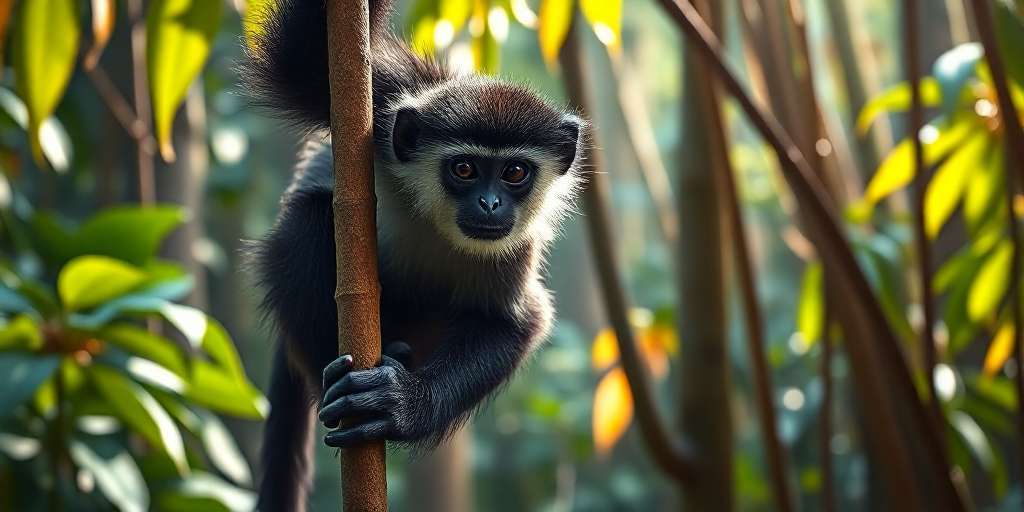
These experiences are crafted to be educational and empowering, encouraging participants to appreciate the natural world while promoting a sustainable future. Emphasis is placed on minimizing environmental impact and fostering a respect for wildlife conservation.
The Role of Eco Mayan Adventures in Conservation
Eco Mayan Adventures is committed to the conservation of the majestic spider monkeys and their habitats. By facilitating ecotourism, the company plays a crucial role in raising awareness about the challenges faced by these primates. In addition to highlighting the beauty of their environment, the tours also emphasize the shared responsibility to protect it.
Promoting Sustainable Tourism Practices
Through sustainable tourism practices, Eco Mayan Adventures ensures that its operations contribute positively to the local ecosystem. The company prioritizes eco-friendly methods such as:
- Utilizing local guides to enhance the understanding of the ecosystem.
- Implementing waste reduction strategies during tours.
- Collaborating with local communities to foster a shared commitment to conservation.
By promoting sustainability, Eco Mayan Adventures helps preserve the natural habitats that support spider monkeys and countless other species.
Supporting Local Conservation Efforts
In addition to ecotourism, Eco Mayan Adventures actively supports local conservation initiatives aimed at safeguarding biodiversity. This includes partnerships with regional organizations that focus on:
- Restoration of degraded habitats.
- Research projects to monitor spider monkey populations.
- Community education programs to raise awareness about conservation challenges.
These collaborative efforts enhance the overall impact of conservation initiatives while fostering a sense of stewardship among local residents and visitors alike. By bridging ecotourism and conservation, Eco Mayan Adventures takes significant steps to ensure the future of spider monkeys and their precious habitats.