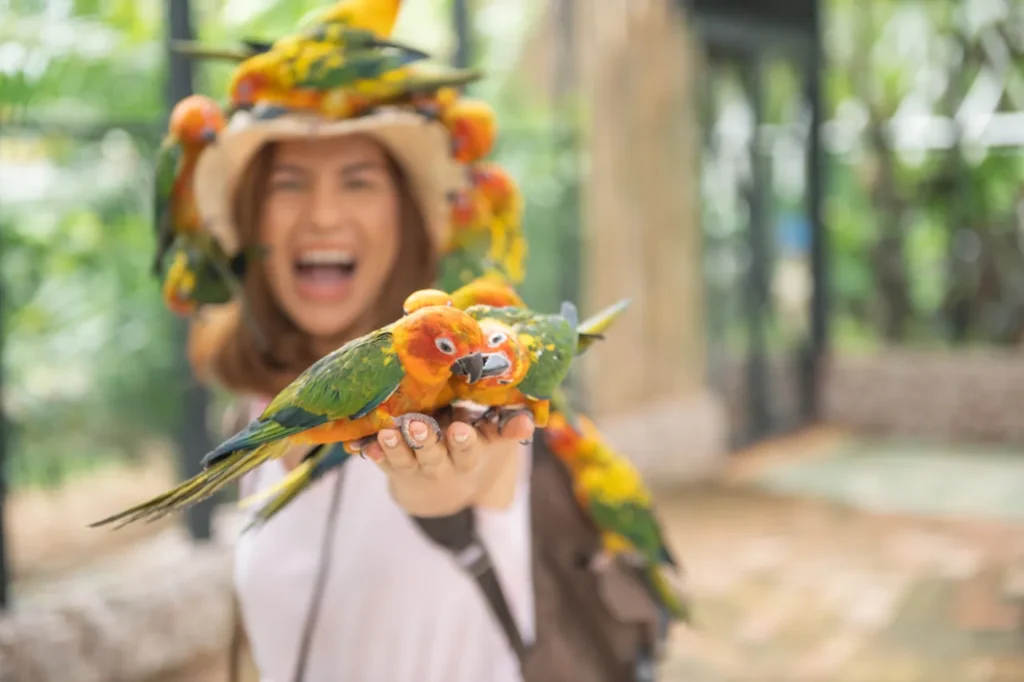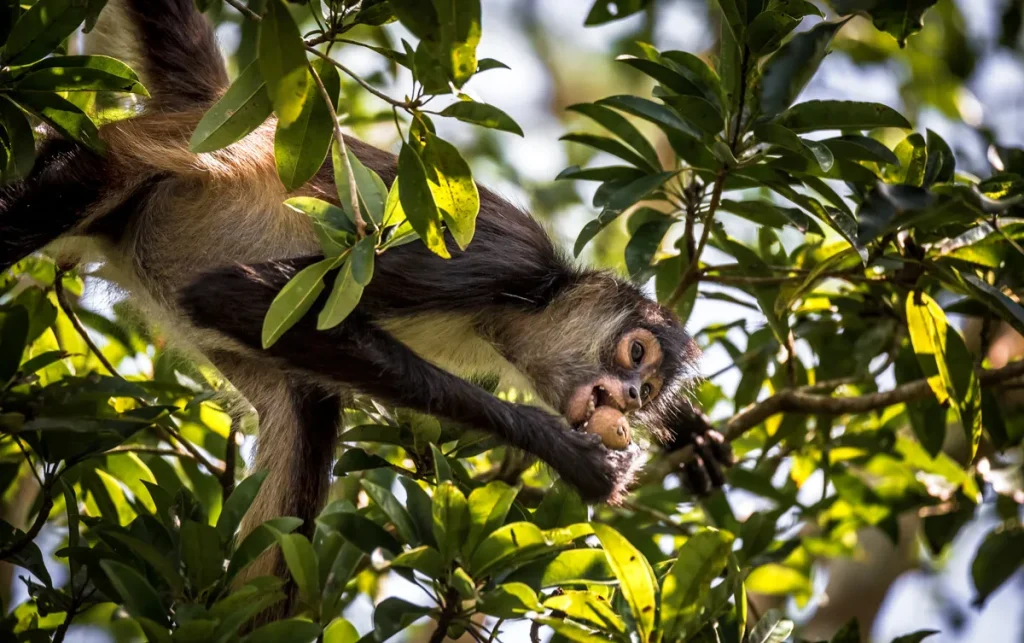
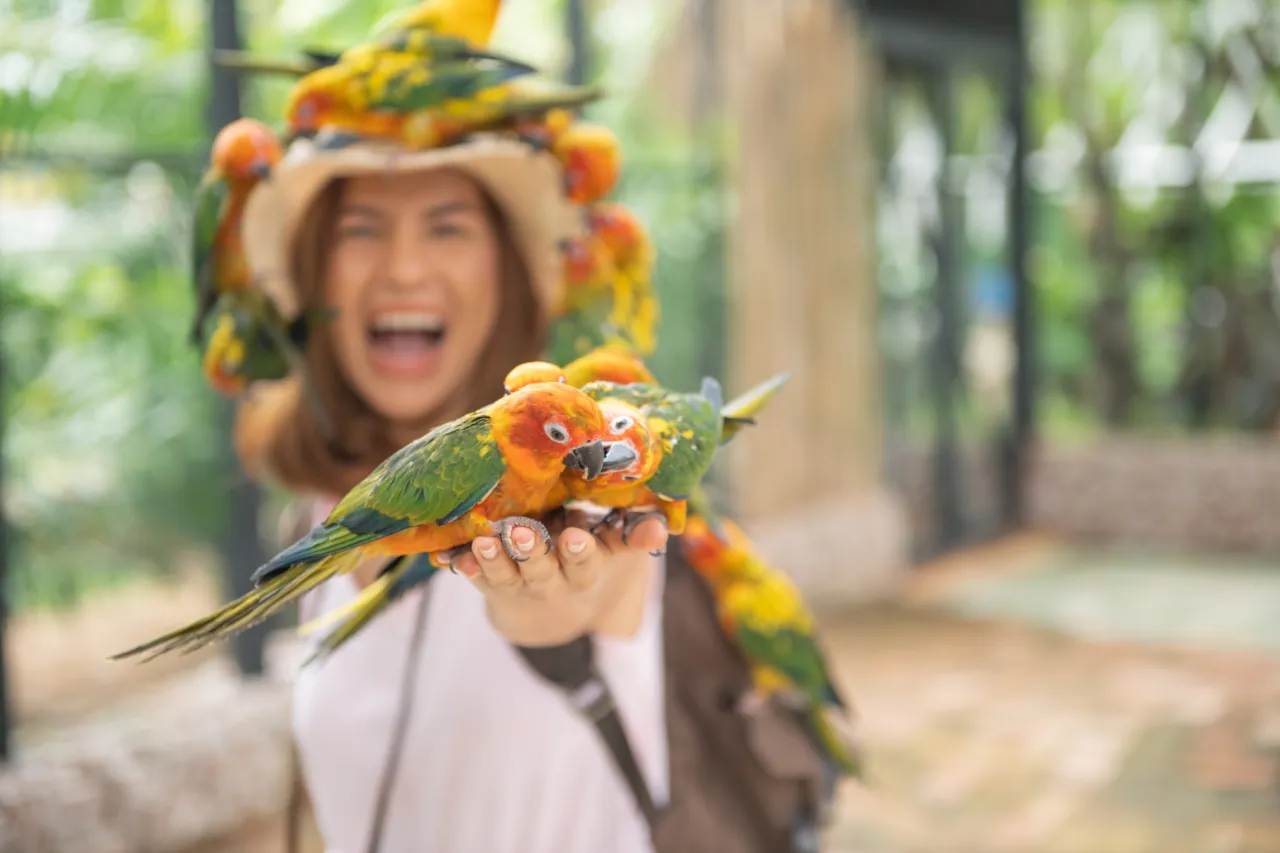
The Yucatan Peninsula is a prime destination for bird photography, showcasing an impressive array of over 550 bird species. This region offers diverse habitats, from coastal wetlands to tropical jungles, making it ideal for capturing stunning avian imagery. With unique opportunities to photograph iconic species like flamingos and endemic birds, Yucatan stands out as a bird photographer’s paradise. Guided tours, such as those offered by Eco Mayan Adventures, enhance the experience by providing access to expert knowledge and prime locations.
Exploring Bird Photography in the Yucatan Peninsula
The vibrant landscapes of the Yucatan Peninsula provide a captivating backdrop for bird photography. The region’s diverse environments host a remarkable variety of avian species, making it an ideal destination for both amateur and professional photographers.
Understanding the Rich Avian Diversity
Home to approximately 550 bird species, the Yucatan Peninsula boasts rich biodiversity. From coastal mangroves and wetlands to lush jungles, each habitat supplies unique opportunities for observation and photography. Migratory patterns bring both familiar and exotic birds to this locale, enriching the experience for wildlife photographers. Notably, many species are endemic to the region, providing rare photographic subjects.
Why Yucatan is a Bird Photographer’s Paradise
The combination of diverse ecosystems in the Yucatan creates an unmatched setting for capturing stunning avian imagery. Key reasons for its appeal include:
- Accessibility: Many prime birding locations are easily reachable, with well-defined paths and guided tours available.
- Bird Activity: The early mornings and late afternoons are particularly active times for birds, offering optimal shooting conditions.
- Vibrant Backgrounds: The colorful flora and unique geological features enhance every photograph, adding layers of beauty and context to bird images.
Iconic Bird Species to Photograph
The Yucatan Peninsula is home to both iconic and lesser-known avian species. Enthusiasts often seek to photograph:
- Flamingos: Their striking pink plumage against the cerulean waters makes them a favorite subject.
- Hs often sighted in lush forests: Their iridescent feathers provide brilliant contrasts against green foliage.
- Raptors: Various species of hawks and eagles can often be seen soaring overhead, ideal for action shots.
In addition, the presence of migratory birds during certain seasons enriches the avian tapestry, offering photographers continuous surprises throughout the year.
The Best Locations for Bird Photography
Identifying the best locations is crucial for capturing bird photography in the Yucatan Peninsula. The region boasts a variety of habitats that are home to countless avian species, providing photographers with unique settings to enhance their images.
Discovering Ría Lagartos Biosphere Reserve
The Ría Lagartos Biosphere Reserve stands out as a premier destination for bird enthusiasts. This protected area spans diverse ecosystems, including coastal marshes, estuaries, and mangroves. The varied habitats create opportunities for extraordinary bird sightings and photography.
One of the highlights of visiting Ría Lagartos is the chance to see a wide range of migratory and resident bird species. Early mornings and late afternoons offer the best light for photography, allowing birds to engage in their natural behaviors.
Spotting Flamingos in Their Natural Habitat
The iconic flamingos of Yucatan are a prime attraction for photographers. Ría Lagartos hosts one of the largest populations of these vibrant birds, with thousands nesting in its waters. Capturing their striking pink colors against the natural backdrop can make for spectacular images.
Flamingos are most active during feeding times, often seen wading through shallow waters. Patience is key, as waiting for the right moment can result in breathtaking shots of these elegant creatures.
Exploring the Jungle and Forest Environments
For those seeking a different photographic landscape, the jungles and forests of Yucatan present an array of species that thrive in lush greenery. Areas rich in flora not only offer diverse birdlife but also opportunities for stunning compositions.
You may be interested in reading "Bird Watching Tours in Yucatan: Discover Flamingos & More"
Common sightings include parrots, toucans, and various warblers. Moving quietly and blending into the surroundings enhances the chances of capturing candid moments.
Unique Endemics of the Yucatan
The Yucatan Peninsula is home to several endemic species, making it a hotspot for bird watchers. Among these unique species are the Mexican Sheartail and the Yucatan Jay. These birds offer a distinct challenge and reward for photographers hoping to document their beauty.
Focusing on specific habitats, such as limestone hills and scrublands, increases the likelihood of encountering these rare birds. Knowledge of their behaviors and preferred locations can lead to exceptional photographic opportunities.
Guided Bird Watching Tours
Engaging in guided bird watching tours enhances the experience by providing valuable insights and access to the best viewing locations.
Benefits of Joining Local Birding Tours
Participating in local birding tours offers numerous advantages for photographers and bird enthusiasts alike. Some of the key benefits include:
- Access to hidden gems that may be difficult to find independently.
- Insider knowledge about bird behavior and migration patterns.
- A chance to network with fellow photographers and share tips.
- Increased likelihood of spotting rare and unique species.
Working with Expert Guides
Expert guides play an integral role in the success of bird photography tours. Their deep understanding of local wildlife and ecosystems provides immense value. Guides can:
- Identify various bird species, helping to maximize opportunities for photography.
- Navigate the terrain efficiently, saving time and energy.
- Share photography techniques tailored to specific habitats.
Navigating Rio Lagartos with Eco Mayan Adventures
Rio Lagartos is one of the premier locations for bird watching in Yucatán. With Eco Mayan Adventures, participants can explore this vibrant ecosystem. The tours offered often include:
- Boat rides through the estuaries, allowing for close encounters with flamingos and more.
- Guided walks in the marshes that reveal the area’s diverse bird species.
- Opportunities for photography in breathtaking settings.
Planning Half Day and Full Day Tours
When planning bird watching excursions, options vary based on personal schedules and interests. Half-day tours are typically shorter, focusing on specific areas, ideal for those with limited time. Full-day tours allow for deeper exploration of multiple locations, offering:
- A greater chance to see a wider variety of species.
- More extensive photography opportunities throughout the day.
- Flexible itineraries that adapt to local conditions or bird activity.
Capturing the Perfect Shot
The art of capturing exceptional photographs of birds requires technique, preparation, and the right equipment. Successful bird photography hinges on understanding essential tools and effective strategies to ensure stunning results in the vibrant landscapes of the Yucatan Peninsula.
Essential Photography Equipment for Birding
Choosing the right gear is critical for mastering bird photography. Here are key items to consider:
- Camera: A DSLR or mirrorless camera with fast autofocus capabilities is ideal. Look for models that perform well in low light, as many birds are active during dawn and dusk.
- Telephoto Lens: A lens with a focal length of 300mm or longer allows for detailed shots from a distance, ensuring minimal disturbance to the species being photographed.
- Tripod or Monopod: Stabilization equipment is essential for reducing camera shake, especially when using heavy lenses.
- Memory Cards: High-capacity and fast write-speed memory cards are necessary to capture high-resolution images and rapid bursts as birds take flight.
Timing and Lighting: When to Shoot
Optimal lighting conditions significantly enhance the quality of bird photographs. The best times to shoot include:
- Golden Hours: The hour after sunrise and the hour before sunset provide soft, warm light that elevates the colors of birds and their surroundings.
- Overcast Days: Cloudy skies can produce even lighting, reducing harsh shadows and highlighting the details of a bird’s plumage.
- Active Hours: Many birds are more active during early mornings and late afternoons, making these times ideal for capturing them in motion.
Techniques for Photographing Moving Targets
Birds are often unpredictable and fast-moving, which can make photography challenging. Employing the following techniques can improve chances of success:
- Continuous Shooting Mode: Use this setting to capture multiple frames per second. This maximizes the likelihood of getting the perfect moment.
- Focus Tracking: Set your camera to continuous autofocus mode to keep moving subjects in sharp focus as they fly or hop between branches.
- Anticipation: Learn the behaviors of the birds being photographed. Knowing when a bird is likely to take off or make specific movements can help in framing the shot more effectively.
Conservation and Ethical Photography Practices
In the world of bird photography, conservation and ethical practices are paramount. Protecting natural habitats and respecting wildlife ensures that future generations can also enjoy the beauty of avian life.
Minimizing Impact on Natural Habitats
Every photographer should aim to leave minimal traces on the environment. Techniques to achieve this include:
- Staying on established trails to reduce habitat disruption.
- Avoiding the use of flash photography, which can startle birds and other wildlife.
- Being mindful of noise levels to prevent disturbance among animals.
- Staying a safe distance from nests and mating birds to not interfere with their natural behaviors.
Respecting Local Wildlife and Regulations
Understanding and abiding by local regulations is crucial in preserving avian populations. This includes:
- Familiarizing oneself with any specific guidelines provided for protected areas.
- Adhering to seasonal rules regarding nesting times which may restrict certain activities.
- Reporting any illegal activities, such as poaching or habitat destruction, to local authorities.
Promoting Sustainable Tourism with Eco Mayan Adventures
Participating in responsible tours can significantly contribute to conservation efforts. Eco Mayan Adventures focuses on sustainable tourism that benefits both the environment and local communities. This can be achieved through:
- Engaging local guides who have in-depth knowledge of the ecosystems.
- Supporting community-led initiatives that prioritize conservation and educate visitors.
- Contributing to local economies by choosing eco-friendly services that promote the preservation of avian habitats.
The Role of Community and Online Resources
Building a network and utilizing online resources can significantly enhance the bird photography experience. Connecting with fellow enthusiasts and tapping into digital platforms provide avenues for sharing knowledge, experiences, and inspiration.
Joining Online Bird Photography Communities
Being part of online bird photography communities offers countless benefits. These platforms often serve as forums where photographers can exchange tips, techniques, and personal insights about their latest adventures. Active discussions might include:
- Best practices in bird photography
- Latest gear recommendations
- Local hotspots for avian encounters
Joining these communities, whether they are on social media platforms or specialized forums, fosters a sense of belonging among members who share a similar passion for birds and photography. This supportive environment encourages growth and creativity in one’s photography skills.
Sharing Experiences and Tips with Fellow Photographers
Engaging with fellow photographers allows for a rich exchange of experiences. Many photographers share their most memorable captures, focusing on techniques that worked for them in various locations within Yucatán. In addition to personal anecdotes, photographers often discuss:
- Challenges faced during shoots
- Unique behaviors observed in different bird species
- Post-processing tips for enhancing avian images
This sharing of knowledge not only improves the individual skill set of photographers but also enriches the collective experience of the community.
Leveraging Social Media for Bird Photography Inspiration
Social media platforms serve as ideal spaces for inspiration and creativity in bird photography. They enable photographers to showcase their work, garner feedback, and discover new techniques and styles. Popular hashtags related to bird photography help enthusiasts find relevant content and connect with like-minded individuals. Content shared may include:
- Stunning imagery from diverse locations
- Tips for specific scenarios like low light or fast-paced shooting
- Updates on seasonal migration patterns that may affect shooting opportunities
As photographers draw inspiration from each other’s work, these interactions can lead to collaborations and joint excursions, further enhancing the overall experience of bird photography in Yucatán.