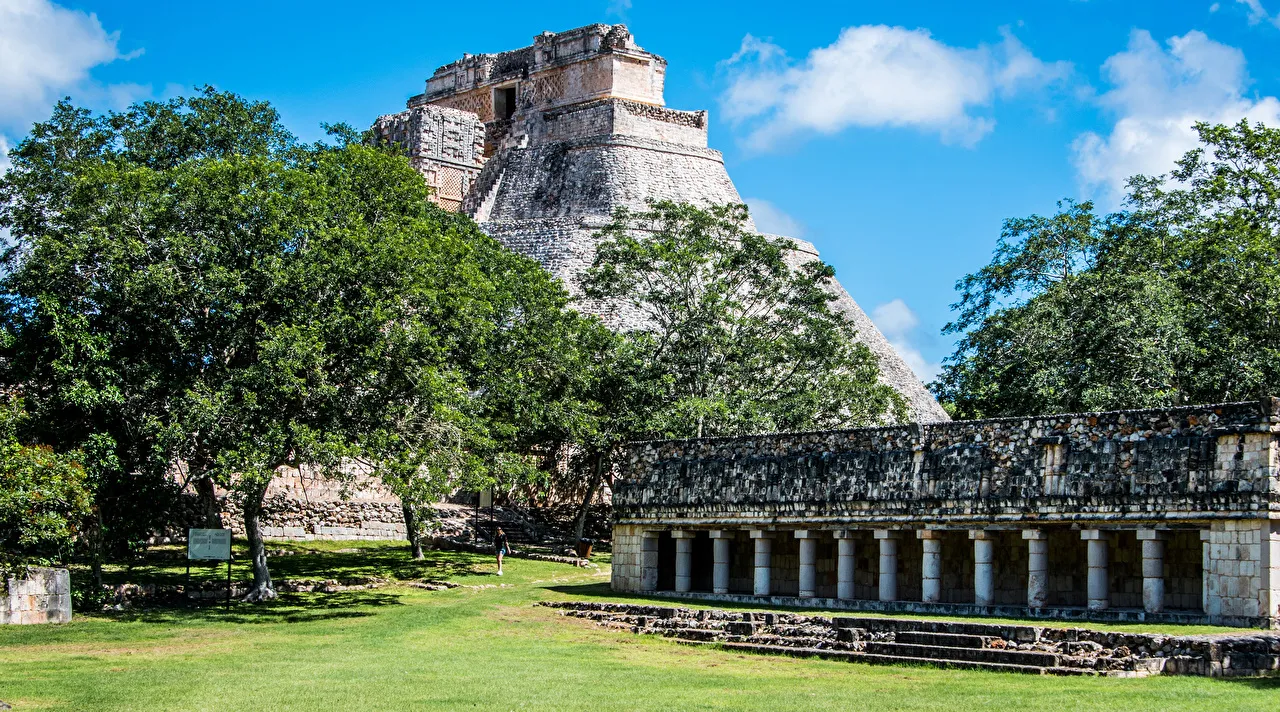
The Uxmal Archaeological Zone is a key site of the ancient Maya civilization, located in the Yucatán Peninsula of Mexico. Known for its impressive architecture and rich history, Uxmal showcases the unique Puuc style and significant cultural heritage. Recognized as a UNESCO World Heritage Site, Uxmal attracts visitors interested in exploring its monumental structures and understanding its role in Maya society. The site offers a glimpse into the complex urban planning and religious practices of the Maya.
Overview of the Uxmal Archaeological Zone
Uxmal is a remarkable site that encapsulates the splendor and sophistication of the ancient Maya civilization. This archaeological zone is notable for its unique architectural styles and historical significance within the Maya world.
Location and Accessibility from Mérida
Situated approximately 62 kilometers (about 39 miles) south of Mérida, Uxmal is easily accessible for travelers on a day trip. The journey typically takes around one hour by car, making it a popular excursion for both tourists and locals. Multiple transportation options are available, including rental cars, private shuttles, and guided tours that come equipped with knowledgeable guides. The scenic drive through the Yucatán countryside adds to the experience, offering glimpses of the region’s lush flora and fauna.
Historical Importance in the Ancient Maya World
This archaeological treasure flourished during the Late Classic period of the Maya civilization, roughly from 600 to 900 AD. Uxmal was an important urban center known for its political, religious, and economic significance. Archaeological evidence suggests that it played a crucial role as a hub for trade and cultural exchange among other Maya cities. The intricate architectural designs found in Uxmal reflect its status, showcasing advanced engineering and artistic abilities unique to the Maya. Furthermore, the site is associated with various legends and myths, enriching its historical tapestry.
Recognition as a UNESCO World Heritage Site
Uxmal’s outstanding universal value was officially recognized when it was designated as a UNESCO World Heritage Site in 1996. This esteemed status underscores the site’s cultural significance and architectural prowess, which demonstrate the achievements of the Maya civilization in urban planning and design. Preservation efforts initiated under this designation have focused on protecting the site’s unique structures and artifacts from the impacts of tourism and natural degradation. As a World Heritage Site, Uxmal attracts thousands of visitors each year, serving as both an educational resource and a testament to the legacy of the ancient Maya.
Architectural Features of Uxmal
The architectural features of Uxmal are a testament to the ingenuity and artistry of the ancient Maya civilization. This site boasts an array of impressive structures characterized by unique design elements and cultural significance.
The Puuc Style and Its Characteristics
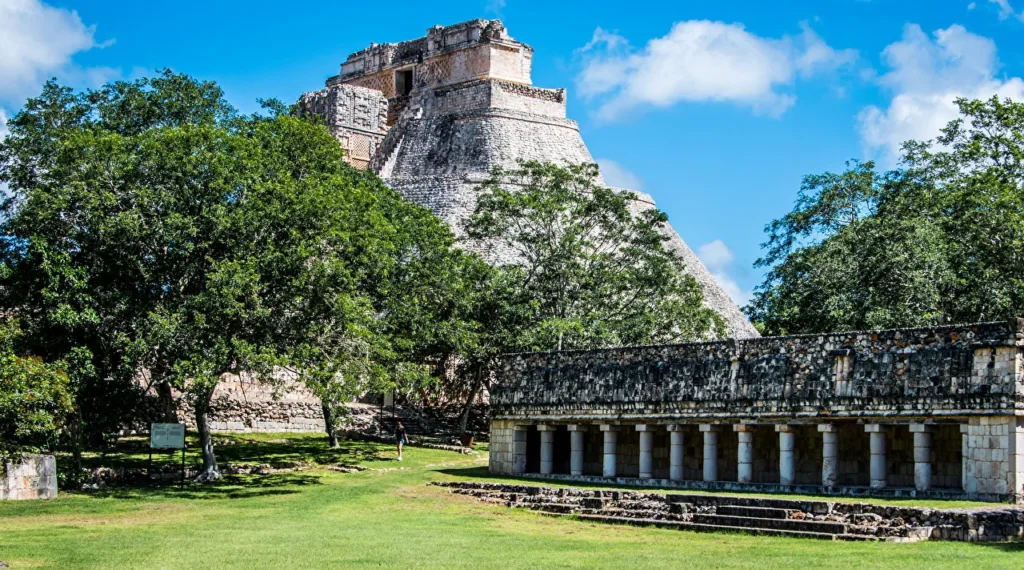
The Puuc architectural style, prominently displayed in Uxmal, is distinguished by its smooth, low walls adorned with ornate friezes. This style reflects a sophisticated approach to building, integrating both aesthetic and functional elements. The stone carvings often depict intricate motifs, including geometric patterns and representations of local fauna, which convey the community’s values and beliefs.
Monumental Buildings and Symbolism
Uxmal is home to several monumental structures that serve as stunning examples of Maya architecture and symbolism. Each building not only fulfills a practical purpose but also carries deeper meanings connected to the community’s beliefs and rituals.
The Pyramid of the Magician: Structure and Legends
This iconic pyramid, known for its oval shape, was constructed in multiple phases over centuries. It is framed by legends surrounding its origin, which tell of a magical dwarf who built it in a single night. The blend of history and folklore surrounding the pyramid highlights the cultural richness of Uxmal.
The Governor’s Palace: Design and Function
Regarded as one of the largest and most elaborate buildings in Mesoamerica, the Governor’s Palace features an impressive façade that showcases intricate stonework. Originally serving as both a ceremonial and administrative center, its design emphasizes the political power and social structure of the time.
The Quadrangle of the Nuns: Layout and Historical Use
This complex is surrounded by four significant structures arranged at varying levels. Its name evokes images of convent life, though it functioned primarily as a royal palace and administration center. The layout reflects the cultural intricacies and community life of the Maya.
The Ball Court: Cultural and Religious Significance
The ball court at Uxmal is a vital space for understanding the cultural practices of the ancient Maya. This area, where the ceremonial ball game took place, highlights the significance of sports in Maya society, intertwining entertainment with religious and political realms.
Astrological Elements in Uxmal’s Urban Design
The urban planning of Uxmal incorporates astrological elements, demonstrating the advanced understanding the Maya had of astronomy. The orientation of buildings and open spaces aligns with celestial events, indicating that rituals and daily life were closely tied to the cosmos. This alignment not only reflects the Maya’s reverence for the heavens but also their desire to establish a harmonious relationship with the natural world.
Exploring Uxmal: What to See and Do
Uxmal is a treasure trove of ancient architecture and rich history, making it a compelling destination for exploration. There are numerous key ruins to admire, each with its unique significance and features.
Key Ruins and Their Highlights
Highlighting the site are monumental structures that draw visitors from around the world. These impressive ruins showcase the exceptional craftsmanship of the Maya civilization and are imbued with cultural meaning. The following buildings stand out:
- The Pyramid of the Magician: This iconic pyramid is renowned for its unique oval shape and soaring height. Legends surrounding this structure add an air of mystique, as it is said to have been built overnight by a magical dwarf.
- The Governor’s Palace: Known for its intricate facade and vast layout, this building served not only as an administrative hub but also as a symbol of power and prestige.
- The Quadrangle of the Nuns: Surrounded by four palatial structures, this area showcases the architectural genius of the Maya, with details that reveal its historical significance.
- The Ball Court: A vital cultural site, this court was used for the Mesoamerican ball game, which held profound religious and social implications for the Maya people.
Best Viewing Points and Photography Spots
The breathtaking views of Uxmal offer opportunities for stunning photographs and unforgettable experiences. Capturing the beauty of these ruins from strategic viewpoints enhances the journey.
From the Top of the Pyramid of the Magician
Ascending the Pyramid of the Magician rewards visitors with panoramic views of the archaeological zone. The height provides a fantastic perspective of the surrounding structures, lush landscapes, and an appreciation for the site’s scale. Photographers can take advantage of varying angles to encapsulate the site’s grandeur.
Architectural Details in the Governor’s Palace
The Governor’s Palace offers intricate details that captivate architecture enthusiasts. The elaborate carvings and symbols integrated into the façade showcase the artistry of the Maya, making it an ideal subject for photography. Close-up shots reveal the depth of craftsmanship that went into constructing this magnificent edifice.
Walking the Sacbes: Connections to Other Maya Sites
Exploring the sacbes, or ancient roads, allows for a deeper understanding of the connections Uxmal had with other significant Maya cities. These pathways linked Uxmal to various surrounding sites, encouraging trade and cultural exchange.
- Walking along these sacbes provides insight into the urban planning of the Maya civilization and their community ties.
- These routes lead to other notable locations, enhancing the overall experience for those wishing to delve deeper into Maya culture.
Visitor Information and Tickets
Understanding visitor information and ticketing details can enhance the experience at this iconic archaeological site. The following sections provide essential information regarding admission costs, visitation hours, guided tours, and facilities available on site.
Entrance Fees and Opening Hours
Entry to the site requires a nominal fee, which contributes to the ongoing preservation of Uxmal. Current entrance fees are as follows:
- Adults: $5 USD
- Children (under 12): Free
- Students with ID: $3 USD
Opening hours are designed to accommodate both early risers and late visitors:
- Monday to Sunday: 8:00 AM to 5:00 PM
- Last entry is at 4:30 PM
Visitors are encouraged to arrive early to fully explore the site and engage with its numerous attractions.
Guided Tours and Recommendations
To gain an in-depth understanding of Uxmal, guided tours are highly recommended. These tours offer insights into the rich history and architectural nuances of the site. Options for guided tours include:
- Group Tours: Available daily with multiple departures throughout the day.
- Private Tours: Ideal for a more tailored experience, these can be arranged in advance.
- Specialized Tours: Focus on specific themes such as architecture, archaeology, and local flora and fauna.
Many tours also include transportation from Mérida, making it convenient for visitors staying in the area.
Accessibility and Facilities on Site
The site aims to be accessible for all visitors. Pathways are designed to accommodate strollers and wheelchairs, though some areas may have uneven terrain due to the nature of the ancient structures.
Facilities include:
- Restrooms located at the entrance and near the main attractions.
- Souvenir shops offering local crafts and educational materials.
- Designated picnic areas for visitors wishing to enjoy a meal surrounded by the beauty of Uxmal.
Visitors are encouraged to wear comfortable footwear and to stay hydrated while exploring the extensive site.
Uxmal Archaeological Zone Reviews and Visitor Experiences
Visitor experiences at Uxmal vary, but many leave with unforgettable memories of this magnificent archaeological site.
What Tourists Say About the Site
Many tourists express awe at the grandeur of Uxmal, often highlighting specific architectural features that showcase the skills of the ancient Maya. The striking beauty of the Pyramid of the Magician frequently garners praise, with visitors enchanted by its unique design and the legends associated with it. Reviews often note the lush greenery surrounding the ruins, which enhances the overall atmosphere of serenity.
Common sentiments shared in reviews include:
- The impressive restoration efforts that allow a clear view of the structures.
- The educational tours that provide deeper insights into the history and culture of the Maya.
- The friendly and knowledgeable guides that enrich the visit with fascinating anecdotes.
Tips for First-Time Visitors
For newcomers to Uxmal, preparation can enhance the experience significantly. Familiarity with basic information about the site can lead to a more meaningful visit. Here are some valuable tips:
- Wear comfortable walking shoes as the terrain may be uneven.
- Consider visiting during the morning to enjoy cooler temperatures and fewer crowds.
- Bring plenty of water and sunscreen to stay hydrated and protected from the sun.
- Plan to spend several hours exploring to fully appreciate the site’s beauty and history.
These tips can ensure that visitors maximize their time exploring the wonders of Uxmal.
Ecotourism and Sustainable Tourism Practices at Uxmal
As a prominent site for ecotourism, Uxmal emphasizes the importance of sustainable practices in protecting its cultural and natural heritage. Tours are designed with respect for the environment, encouraging visitors to minimize their impact.
Some sustainable tourism practices observed at Uxmal include:
- Educational programs that highlight the significance of cultural preservation.
- Efforts to reduce litter and promote environmental responsibility.
- Collaborations with local communities to support conservation initiatives.
These practices not only protect the archaeological site but also foster a deeper connection between visitors and the rich cultural tapestry of the Maya civilization.
Preservation Challenges and Conservation Efforts
Maintaining the integrity of Uxmal’s historical structures is essential for both cultural heritage and tourism. Various challenges are threatening the site, prompting significant conservation efforts.
Natural Erosion and Environmental Impact
The impact of natural erosion on Uxmal is a growing concern. Weather patterns and climate change have led to increased rainfall and humidity, which accelerates the deterioration of stone structures. In particular, the heavy rains can cause water infiltration that weakens the materials used in construction. This not only threatens the architectural integrity but also exacerbates the need for immediate preservation efforts.
Moreover, the surrounding vegetation, while part of the site’s natural beauty, can also contribute to the erosion process. Roots can penetrate the stonework, causing structural weaknesses and facilitating the growth of mold and other harmful organisms. A comprehensive understanding of these environmental factors is critical in formulating effective conservation strategies.
Microbial Degradation of Stone Structures
Microbial degradation presents another pressing issue for preservation. Biofilms, including cyanobacteria and fungi, have been detected on the surfaces of several structures at Uxmal. These organisms have the potential to damage the stonework through chemical processes that erode the materials over time. Awareness of this condition has sparked interest in developing targeted treatments that can inhibit microbial growth without harming the original aesthetics of the site.
Researchers and conservationists continuously monitor these microbial populations to assess their impact and devise methods to mitigate their effects. Regular cleaning and implementing biocontrol measures are vital in the fight against microbial degradation.
Government and NGO Preservation Initiatives
In response to the challenges faced by Uxmal, both governmental bodies and non-governmental organizations have stepped up their preservation initiatives. The Mexican government has allocated funding for restoration projects aimed at repairing damaged structures and reinforcing vulnerable areas.
Collaborative efforts with international NGOs focus on sustainable preservation practices. Many initiatives incorporate local communities to foster a sense of ownership and involvement in preserving their cultural heritage. Educational programs are being developed to inform the public about the importance of conservation.
- Regular restoration work is undertaken to address visible wear and tear.
- Scientific research aims to better understand the specific needs of the site’s structures.
- Community involvement is encouraged through workshops that emphasize traditional techniques and promote local stewardship.
These comprehensive preservation efforts are crucial in sustaining Uxmal as a vital part of Maya heritage for future generations. Ensuring effective practices will contribute to the lasting legacy of this extraordinary archaeological site.
Uxmal in the Context of the Puuc Region and Maya Civilization
Exploring Uxmal offers invaluable insights into its role within the wider landscape of the Puuc region and the ancient Maya civilization.
Relationship with Other Puuc Sites Like Kabah and Labná
Uxmal is part of a network of significant archaeological sites in the Puuc region, each contributing uniquely to the understanding of Maya culture and architecture. Sites such as Kabah and Labná share architectural characteristics and cultural context, showcasing a distinctive style marked by intricate stonework and symbolic elements.
- Kabah: Located about 18 kilometers from Uxmal, this site features the well-known Codz Poop structure, adorned with elaborate masks of the rain god Chaac, which reflects the shared religious practices of the region.
- Labná: Known for its remarkable arch, Labná highlights the engineering prowess of the Maya. Its proximity to Uxmal suggests a strong connection through trade and ceremonial activities.
Uxmal’s Role Compared to Chichen Itza and Calakmul
While Uxmal is an architectural gem within the Puuc region, it stands in contrast to prominent sites like Chichen Itza and Calakmul, which were political and economic powerhouses in their own right. Each of these sites played vital roles in the dynamics of Maya civilization.
- Chichen Itza: Renowned for its astronomical alignments and the iconic El Castillo pyramid, this site was a major political and economic center, drawing visitors from far-flung regions.
- Calakmul: As one of the largest Maya cities, Calakmul was a key player in the political landscape, often engaged in rivalries with other city-states, including Tikal.
In comparison, Uxmal is often viewed through the lens of its architectural elegance and cultural richness, which celebrated religious and ceremonial life rather than sheer size and power.
The Site within the Greater Yucatan Peninsula Archaeological Network
Uxmal’s connectivity within the broader Yucatán Peninsula archaeological network illustrates how Maya cities were interlinked through trade routes and shared cultural practices. The strategic location of Uxmal facilitated interaction with other significant sites, enhancing the region’s socio-economic landscape.
- Trade Networks: Uxmal served as a hub for the exchange of goods such as obsidian, textiles, and ceramics, fostering relationships with distant regions.
- Cultural Exchange: The exchange of ideas and rituals among adjacent towns enriched the cultural tapestry of the Maya civilization, as evidenced in their architectural styles and religious practices.
This interconnectedness underscores Uxmal’s importance beyond its own boundaries, highlighting it as a significant player in the grand narrative of Maya civilization.
Cultural Significance and Mythology
The cultural richness of Uxmal is steeped in mythology and ancient beliefs, echoing the values and traditions of the Maya civilization. These elements not only shape the history of the site but also highlight the profound connection between its architecture and the spiritual life of its people.
The Legend of the Dwarf and Magical Origins
A prominent tale associated with Uxmal is the legend of the dwarf who, through mystical powers, built the city in a single night. This narrative emphasizes the significance of magic and the supernatural in Maya culture. According to tradition, the dwarf, known as a skilled architect, overcame various challenges to become the ruler of Uxmal. The legend symbolizes the reverence for extraordinary individuals who achieve greatness against the odds.
Religious Ceremonies and the Rain God Chaac
Central to the Maya belief system was the worship of various deities, particularly Chaac, the god of rain. Rain was not only vital for agriculture but also held immense spiritual significance. Rituals dedicated to Chaac were integral to life in Uxmal, reflecting the community’s dependence on natural cycles. Ceremonial activities often included offerings, prayers, and sometimes even bloodletting to appease the gods and ensure favorable weather. These practices illustrate the intertwining of daily life and spiritual beliefs.
Symbolic Meaning of Architectural Elements
The architecture of Uxmal carries profound symbolic meanings that reflect the society’s cosmology and its relationship with the divine. Each structure is imbued with significance, serving both functional and spiritual purposes. For instance, the:
- Pyramid of the Magician: Symbolizes resurrection and access to the divine realm.
- Governor’s Palace: Represents authority and political power.
- Quadrangle of the Nuns: Reflects the connection between the earthly and the spiritual, with its design echoing residential spaces for the elite.
- Ball Court: An arena for ritualistic games that symbolized duality and the struggle between life and death.
These architectural features are not mere aesthetics but embody the history and beliefs of the Maya people, linking the tangible and the intangible in their cultural landscape.
Planning Your Visit with Eco Mayan Adventures
Eco Mayan Adventures offers tailored experiences for exploring the wonders of Uxmal and its surroundings, focusing on sustainable tourism and cultural immersion. Visitors can expect a rich blend of history, ecology, and adventure.
Eco-Friendly Tours and Experiences
Guided tours provided by Eco Mayan Adventures prioritize environmental consciousness while showcasing the beauty of the region. These tours emphasize:
- Use of eco-friendly transportation options to minimize carbon footprints.
- Responsible interaction with local wildlife and habitats, promoting conservation efforts.
- Opportunities to support local artisans and communities through authentic cultural exchanges.
Participating in these tours ensures that visitors contribute to the preservation of Uxmal’s rich heritage while enjoying insightful narratives from knowledgeable guides.
Combining Uxmal with Other Mayan Ruins
Exploring Uxmal is best paired with visits to nearby archaeological sites for a well-rounded experience of the ancient Maya civilization. Tour packages often include:
- Kabah, known for its intricate architecture and the significant Codz Poop structure.
- Labná, which features remarkable stone arches and notable religious sites.
- Temozón, where visitors can appreciate the unique Puuc style in a tranquil setting.
This combination allows for deeper insights into the regional variations in architecture and cultural practices, enriching the overall journey through the Yucatán.
Recommended Itineraries and Seasonal Tips
Selecting the right time to visit is crucial for maximizing the experience at Uxmal. The following recommendations can enhance the visit:
- Visit early in the day to avoid crowds and enjoy cooler temperatures.
- Plan trips during the dry season (November to April) for the best weather conditions.
- Participate in local festivals when available, which showcase traditional Maya culture and rituals.
Custom itineraries offered by Eco Mayan Adventures can help structure the day effectively, ensuring that visitors have the opportunity to explore critical sites and engage with local guides.