Cenote exploration reveals the Yucatan Peninsula’s ancient limestone sinkholes. These underground rivers create crystal-clear waters for visitors. The region offers distinct geological sites near Cancun. Travelers choose between independent routes or guided tours. Self-guided trips provide freedom on the Cenote Route. Structured ecotourism packages offer education on cave, open, and semi-open types.
Understanding the Geology and Hydrology of Yucatan Cenotes
Grasping the natural origins of these formations enhances the visitor experience. The interplay between ancient oceans and limestone creates the unique landscapes that define this region. This section details the scientific principles behind these water-filled depressions and their vital ecological roles.
The Geological Formation of Natural Sinkholes
The Role of Limestone and Ancient Sea Levels
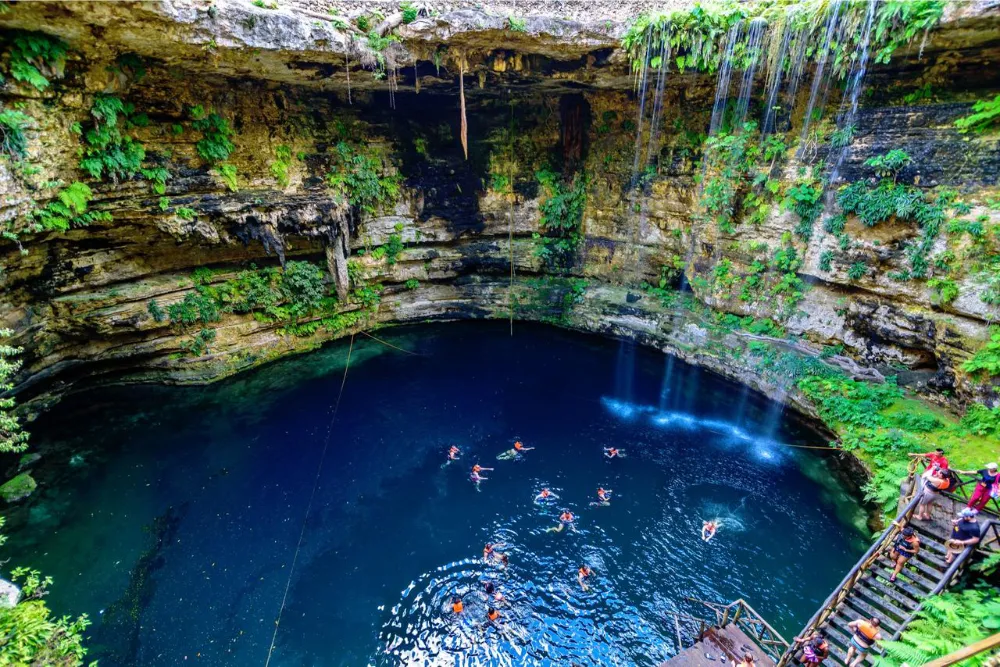
Millions of years ago, the Yucatan Peninsula existed beneath a vast ocean. As sea levels receded, the exposed limestone bedrock began to erode through acidic rainwater over centuries. This process dissolved the rock, creating vast underground cavities. When these ceilings eventually became too weak to support the weight of the earth above, they collapsed. This dramatic event exposed the subterranean water table to the surface, forming the distinct sinkholes known locally as cenotes.
How Underground River Networks Connect Water Systems
These sinkholes are not isolated pools but rather visible points in a massive, hidden network of underground rivers. The water flows through intricate channels within the porous limestone, connecting numerous cenotes across the peninsula. This hidden connectivity means that water quality in one location directly impacts distant sites, creating a shared hydrological system that sustains the local ecosystem and supplies fresh water to the region.
The Unique Characteristics of Underground Waters
Temperature Stability and Water Clarity
One of the most remarkable features of these bodies of water is their consistent temperature, which remains between seventy-five and seventy-eight degrees Fahrenheit year-round. This thermal stability occurs because the water is shielded from surface weather fluctuations by the surrounding earth and rock. Additionally, the limestone acts as a natural filter, removing sediment and impurities. This filtration results in water of exceptional clarity, allowing visitors to see deep into the depths with remarkable visibility.
The Ecological Impact of Hydrological Unity
The interconnected nature of these water systems highlights the fragility of the environment. Contamination in one part of the network can quickly spread to others, threatening biodiversity and water purity. Recognizing this unity is crucial for preservation efforts. It underscores the need for strict protective measures to prevent pollution from entering the system. Maintaining the health of these waters requires careful management and respect for the delicate balance that sustains life both above and below ground.
Planning Your Cenote Exploration Adventure
Preparing for a visit to these natural wonders requires careful consideration of travel style and logistical details. Understanding the differences between independent travel and guided groups helps visitors choose the best approach for their interests and comfort level.
Choosing Between Independent Travel and Guided Tours
Travelers must weigh autonomy against structured education when deciding how to explore these underground rivers.
The Benefits of Self-Guided Exploration via the Cenote Route
Independent exploration offers freedom to set your own pace and discover hidden gems along the Cenote Route. This method allows for spontaneous stops at lesser-known sites and provides a more authentic connection with the local environment. Visitors enjoy the thrill of navigation and the flexibility to skip crowded locations. It also fosters a sense of adventure and self-reliance, making the experience feel more personal and rewarding. The ability to interact directly with small, family-owned sites adds a unique cultural dimension to the journey.
The Educational Value of Structured Ecotourism Packages
Guided tours provide comprehensive insights into the geological and ecological significance of each site. Certified interpreters explain the complex hydrological systems and the importance of conservation efforts. This format ensures visitors access diverse cenote types that might be difficult to find alone. It also guarantees safety and convenience, removing the stress of navigation and planning. Participants gain a deeper appreciation for the fragile ecosystem through expert-led discussions and curated activities.
Navigating Logistics in the Yucatan Peninsula
Effective planning ensures a smooth and enjoyable experience, covering transportation, packing needs, and financial preparation.
Transportation Options: Jeeps vs. Compact Cars
Vehicle choice significantly impacts comfort on the unpaved roads leading to remote cenotes. Renting a Jeep with a removable top enhances the sensory experience, allowing fresh air and better views. These vehicles handle rough terrain with ease, providing confidence on bumpy jungle tracks. However, compact cars remain a viable option for those prioritizing fuel efficiency. Many secondary roads are accessible to standard vehicles, though caution is advised during rainy seasons. The choice depends on personal preference for adventure versus convenience.
Essential Packing List for a Day Trip Near Cancun
- Swimsuit and quick-dry clothing
- Water shoes for rocky surfaces
- Extra clothes and a towel
- Biodegradable sunscreen and insect repellent
- Sufficient cash for entry fees
- Packed snacks and bottled water
Budgeting for Entry Fees and Local Services
Entry fees typically range from two hundred to four hundred Mexican pesos per person. Prices fluctuate based on location and amenities offered. Carrying small bills facilitates transactions at private sites that may not accept cards. Budgeting should also account for parking, equipment rentals, and potential meals. Independent travelers often save money by bringing their own food, while guided tours include meals and activities in their package. Planning expenses ahead prevents unexpected costs during the trip.
Navigating La Ruta de los Cenotes Independently
Getting Started on the Cenote Route
Starting Points and Navigation Tips from the Highway
Begin your journey by driving from Cancun toward Puerto Morelos, taking approximately thirty minutes. From there, switch to Highway 307 and look for signs directing you to Leone Vicario. This exit marks the official start of the route. Many visitors prefer renting a Jeep for the adventure, as the open-air experience enhances the connection with the landscape. However, compact cars also handle the paved roads well. Once you turn off the main highway, follow the odometer. The first cenote appears about twelve kilometers down the road. Watch for small signs on the roadside that indicate the presence of a sinkhole. Driving conditions are generally safe for experienced travelers, even on the narrower secondary roads.
Managing Your Time and Itinerary for Each Stop
Planning your schedule is essential for a smooth experience. While some modern cenotes now feature on-site restaurants, carrying packed snacks and plenty of water remains a smart strategy. This ensures you save money and avoid hunger pangs during long stretches between stops. Bring small bills for entry fees, which typically range from two hundred to four hundred pesos. Since prices fluctuate, having cash is crucial. Allocate sufficient time at each location, as some sites allow hours of relaxation while others require quick entry and exit. Check the operating hours in advance to avoid unexpected closures.
Must-Visit Destinations on the Independent Route
Cenote La Noria: Exploring the Underground Caverns
This destination features an almost fully subterranean structure. Access requires descending a wooden staircase into a mystical cavern. Stalactites hang from the ceiling, while small bats navigate the shadows. The water displays a striking royal blue hue, illuminated by sunlight filtering through upper openings. A floating wooden platform allows for quiet observation, while a zipline and rope swing offer recreational options for those seeking excitement.
Verde Lucero: Active Recreation in Open Waters
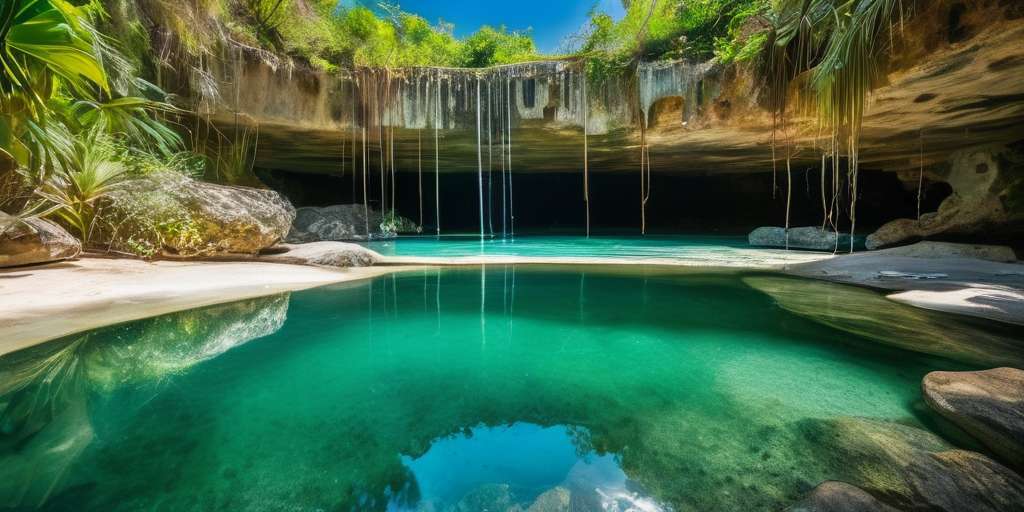
In contrast to the calm atmosphere of La Noria, Verde Lucero is a vibrant outdoor pool. The water shines with an intense green color. This site is equipped with ziplines, a suspension bridge, and paddleboards. A large rock cornice serves as a popular jumping platform. It is a busy location, especially during daytime hours, making it ideal for energetic visitors who enjoy social interaction and water sports.
Bocas del Puma: Dual Experiences in Jungle and Cave
Bocas del Puma houses two distinct cenotes. The first is an open pool surrounded by stone walls and a wooden walkway, reached via a short jungle hike. The water is bright green, and a wooden zipline provides a thrilling ride. The second cenote lies within a cave, featuring crystal-clear water. Swimmers can navigate low ceilings and explore branching passages. Sunlight streaming through ceiling openings creates spectacular visual effects in these underwater tunnels.
Las Mojarras: Relaxing in Large Open Pools
This expansive open cenote offers dynamic activities and leisure. Visitors can use multiple ziplines, a hanging bridge, and diving platforms. After swimming, relaxing in hammocks along the shore while watching the sunset is a common delight. Although it was once a secluded spot, it now attracts families and large groups. The lively atmosphere contrasts with quieter neighboring sites, providing a festive environment for water enthusiasts.
Experiencing Diverse Cenote Types with Expert Guides
Professional ecotourism packages provide structured access to unique geological formations. Guides ensure safety while educating visitors about the distinct hydrological categories found in the Yucatan Peninsula.<\/p>
The Four Geological Categories of Cenotes<\/h3>
Open Cenotes: Surface Reflections and Social Spaces<\/h4>
Open cenotes expose water directly to the sky and surrounding vegetation. These sites often feature emerald-green water due to plant life. They serve as energetic hubs for social interaction. Activities here include cliff jumping and using zip lines. The atmosphere is lively, attracting groups seeking active recreation.<\/p>
Semi-Open Cenotes: Transitional Ecosystems and Kayaking<\/h4>
Semi-open cenotes blend open-air elements with cave-like covers. Dense vegetation creates cool microclimates around the water. The clear sapphire water invites peaceful exploration. Visitors often use kayaks to navigate these tranquil spaces. This setting offers an educational experience focused on observing local flora and fauna.<\/p>
Cave Cenotes: Immersive Experiences in Dark Waters<\/h4>
Cave cenotes are fully covered structures resembling underground chambers. Sunlight filters through small ceiling openings, creating turquoise hues. These environments feel mysterious and intimate. Deep blue waters invite swimmers to explore rock formations. The lighting highlights the unique geological history of the limestone.<\/p>
Specialized Activities and Safety Protocols<\/h3>
Rappelling and Cliff Jumping Techniques<\/h4>
Guided tours facilitate thrilling descents into deep water. Rappelling from heights of up to eighty-two feet provides an adrenaline rush. Participants learn proper techniques to ensure a safe entry. Cliff jumping from natural rock ledges is another popular option. Instructors monitor all maneuvers to prevent accidents.<\/p>
Equipment Requirements and Safety Gear Standards<\/h4>
High-quality safety gear is mandatory for all water activities. Certified guides provide life jackets, diving masks, and climbing harnesses. Equipment meets international safety standards to protect participants. Regular inspections ensure all gear functions correctly. Visitors must wear provided vests during every water interaction.<\/p>
Physical Requirements and Health Restrictions for Adventurers<\/h4>
Certain health conditions prohibit participation in adventure activities. Individuals with heart, lung, or spinal issues should avoid these tours. Pregnant women and those with recent surgeries must also refrain. Children must meet specific height and weight criteria. A minimum height of four-point-five feet is required for zip lines. Proof of age may be requested for younger participants. Guests must present original passports for identification before boarding transport.<\/p>
Preserving the Ecosystem: Eco-Friendly Exploration Practices
Protecting the fragile hydrological systems of the Yucatan Peninsula requires strict adherence to environmental guidelines. Every visitor plays a critical role in maintaining water clarity and ecological balance during their exploration.
The Importance of Chemical-Free Water Protection
The interconnected nature of underground rivers means that contamination in one area rapidly affects the entire network. Traditional consumer products often contain synthetic chemicals that disrupt aquatic life and degrade water quality over time.
Why Traditional Sunscreens and Insect Repellents Are Banned
Conventional sunscreens frequently include oxybenzone and octinoxate, ingredients known to harm coral reefs and aquatic organisms. These chemicals persist in the water even if the cenote is not directly connected to the sea, as the subterranean systems link to coastal areas. Insect repellents can also introduce harmful toxins that settle into the sediment, threatening the delicate food chain.
Using Mineral-Based and Biodegradable Alternatives
Visitors must switch to physical blockers containing titanium dioxide or zinc oxide, which are less harmful to marine ecosystems. These mineral-based options are biodegradable and safe for the unique environment. Brands available in the US market now offer explicit «reef-safe» labels that help travelers identify suitable products before their journey.
Respecting Wildlife and Natural Habitats
The cenotes are home to diverse species, including unique cave-dwelling creatures that require undisturbed environments to thrive. Human interaction must be minimal and respectful to ensure the long-term survival of these habitats.
Guidelines for Observing Cave Fauna Like Bats
Many cenotes, such as La Noria, feature bat populations that roost in the ceiling caves. Visitors should maintain silence and avoid using flash photography, which can stress the animals and disrupt their natural behavior. Observing these creatures from a distance allows for a peaceful experience without causing harm.
Showering Before Entry to Remove Contaminants
To prevent the introduction of oils, lotions, and dirt, many facility owners now require guests to shower before entering the water. This simple step significantly reduces the contamination load, preserving the pristine clarity of the underground pools. Compliance with these rules ensures that the natural beauty remains intact for future generations.